[ad_1]
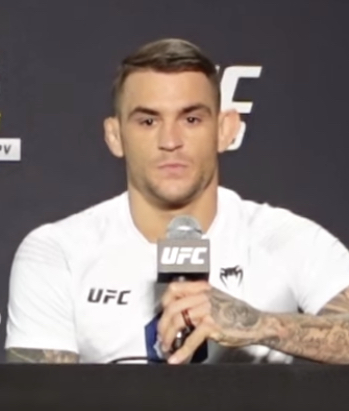
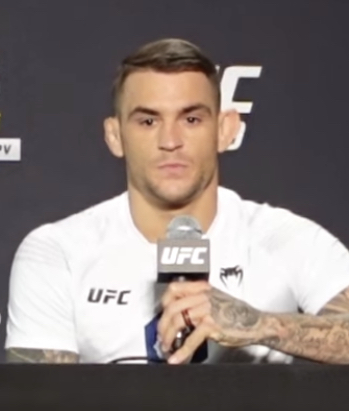
Dustin Poirier built a career on resilience. He absorbed beatings from Max Holloway and Conor McGregor, rebuilt his lightweight game, and became one of the sport’s most bankable names. Yet a single airport arrest in Atlanta wiped out a sponsorship deal worth hundreds of thousands of dollars faster than any opponent ever dropped him. Bud Light terminated his contract immediately, no grace period, no investigation—just a clean exit the moment the news broke.
That speed tells you everything about the modern MMA economy. Fighters operate in a fundamentally different financial ecosystem than athletes in boxing or the major stick-and-ball leagues. The UFC’s exclusive apparel deal with Venum, signed in 2021, pays fighters tiered bonuses based on tenure and title status—nowhere near the six-figure individual sponsorships athletes once wore into the Octagon. Poirier, a former interim champion with 30 UFC fights, likely earns in the mid-five figures annually from Venum. The gap between that check and what Bud Light was paying explains why fighters chase outside deals so aggressively.
But those endorsements come with hair-trigger morality clauses. Poirier has not been charged with a crime as of this writing—his team described the incident as a misunderstanding over a bag inspection—but corporate sponsors do not wait for due process. They protect brand equity first, contract language second, fighter relationships a distant third. The calculation is ruthless: a lightweight contender does not move enough product to risk association with negative headlines, even fleeting ones.
Boxing operates differently. Fighters negotiate individual sponsor patches, in-ring signage, even branded mouthguards. A welterweight champion might pull seven figures annually from endorsements alone, money that flows directly to them and their management, not through a promoter’s revenue funnel. The trade-off is exposure—UFC gives fighters a massive global platform, but it controls the commercial real estate on their bodies. Poirier can land sponsors for his social media, his podcast, personal appearances. He cannot, however, walk into the cage wearing their logos unless they pay the UFC, not him.
That structural constraint makes every outside deal precious—and precarious. Poirier revealed the UFC reached out immediately after the arrest, a gesture of institutional support that stands in sharp contrast to Bud Light’s reaction. The promotion has incentive to protect its athletes; it needs Poirier more than any single beer brand does. But the UFC cannot replace the income those sponsors provide. Even a top-ten lightweight needs multiple revenue streams to build generational wealth, and each one depends on maintaining an image safe enough for risk-averse corporate partners.
The irony is that Poirier fights for a living. He has absorbed more punches than most humans ever will, competed in a sport that celebrates controlled violence, and never pretended to be anything other than a cage fighter from Lafayette, Louisiana. Yet the money that allows him to retire comfortably—the endorsements, the personal sponsors, the side deals—depends on him never making a headline outside the cage, even an unproven one. One airport bag search, one misunderstanding, one lawyer’s letter, and a check worth hundreds of thousands vanishes. That is the MMA money model in 2025: brutal inside the Octagon, more fragile than you would think outside it.
[ad_2]
Source link